Overview
I wrote that I wanted to create lots of anime-style songs that would be suitable for moe-style games, but I’m already running out of ideas. I’ve been using Suno AI to generate lyrics and other ideas, but I’m not getting any good results. So, this time I’m going to write the lyrics myself and generate the music. I previously created an English song called Derailment, but the original lyrics were “Goodbye Stability (さよなら安定),” in Japanese which were generated by Suno AI. After tinkering with and rewriting these lyrics, I ended up with lyrics that have an image reminiscent of the movie “The Shawshank Redemption,” so I’ll use these this time.
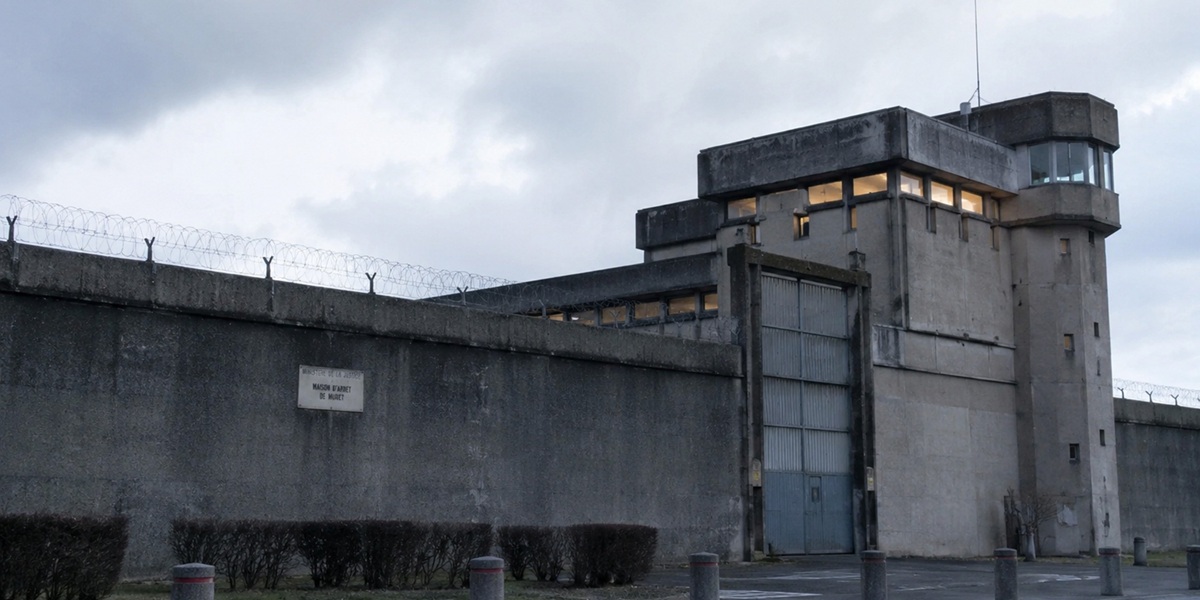
“The Shawshank Redemption” is a story about a prison where the protagonist, who was sentenced to life imprisonment for a crime he didn’t commit (murder), is incarcerated. It’s relatively easy to see that this is a metaphor for life in society (we are imprisoned in schools and companies for crimes we didn’t commit).There is a memorable line called
“But tell you these walls are funny. First you hate them, then you get used to them. Enough time passes, you get depend on them. That’s institutionalized.”
The story likely depicts someone who initially wanted to quit their job as soon as possible, gradually getting used to it, and eventually becoming afraid of being laid off.
The reason this happens is that working adults can avoid taking on risks and responsibilities in exchange for losing their freedom. Salaried employees (and in some cases even business owners) do not bear the true risks and responsibilities of their work. They may feel they have an obligation to do what they are told, but in the sense that they receive the same salary regardless of whether the work results in a profit or loss, they bear no risk at all. If they become accustomed to this, they will become afraid to make their own decisions and take responsibility for the consequences.
For example, suppose there is a person who has sufficient savings and can live comfortably without needing a salary. The reason they continue to work for a company despite this is likely due to a fear of taking risks and responsibilities on their own. In reality, most salaried workers are not in this situation, and even if they have savings in the hundreds of thousands of yen, it’s likely they’ll spend it all within 10 years. They may lie about working in a position where they “can quit anytime,” but in reality, they are mostly just “people who can’t quit their jobs.”
Frankly, it seems difficult for a company to continue employing someone who truly “no longer needs a salary.” For management to get employees to obey orders, they need to be in a situation where they can say, “You have no escape route, do you? Hurry up and work like a prisoner, you idiot,” and they probably can’t entrust significant work or responsibility to someone who “no longer needs a salary.” Company salaries are cleverly designed to prevent employees from becoming “people who no longer need a salary,” and it could be said that those who seem likely to reach this state are more likely to be targeted for layoffs. In prison terms, it might be like being paroled, but at this point, many people may experience a mental crisis or lose their assets by getting involved in fraudulent investments.
Based on the above background information, this time the lyrics are about a protagonist who has become afraid of making his own decisions and taking responsibility for the consequences, and his determination to break free from that curse and move forward. I tried to create a contrast by showing that expensive suits, watches, and apartments are actually prison clothes and jails prepared by society to leave no escape route. Abandoning those values that everyone demands and acknowledges might mean becoming lonely, or it might be like escaping from a place where everyone thinks “we’re cool” by crawling through the sewers. Nevertheless, I tried to write lyrics that say to choose your own values (= freedom) rather than the values of others or society. The atmosphere is the same as Derailment, so I used the same Style Description. This time, the song has a very J-Pop feel to it, and it seems to be positioned as a Japanese version of Derailment, so I’ll leave it in Japanese only. The lyrics I created are as follows.
The Lyrics
🎵 あの塀の詩
[Verse 1]
金もある 時間もある
欲しいものは たぶん全部ある
それなのに動けない
まだ刑務所の中みたい
好きに生きるって言ったのに
昼間に起きて アルコールを飲む
一体何をすればいい?
自分で決められないなんて
[Verse 2]
高い靴も 広い部屋も
手のひらの上で 転がるだけ
みんなが求める価値
いまは色あせて見える
あんなにも 逃げ出したくて
憎んでいた 社会の壁
でも外に出ても何者にも
なれない気がしてた
[Pre-Chorus]
笑えるだろ この滑稽さ
選べる手で 何も掴めない
飼いならされた 長い時間
失われた本当の自分
だけど
[Chorus]
たとえ孤独でも 自由を選ぶ
守ってくれる 鳥かごを
もう求めたりしない
奴隷根性に 別れを告げる
自分の意思で 覚悟を決める
ここから始めればいい
[Verse 3]
勝てるはずの賭けでさえ
負け筋ばかり探してた
楽な檻に腰を下ろし
ぬるい痛みに慣れていた
囚人なのに自信満々
明日も同じ顔をする
僕はもうそこにいたくない
だから余計に腹が立つ
[Pre-Chorus]
情けなくて笑えるけど
このままじゃ終われない
這いつくばっても 汚れても
自分で開けて出ていくよ
だから
[Chorus]
たとえ不安でも 自由を選ぶ
恥をかいても 前に進む
もう振り向いたりしない
奴隷根性は 今夜で終わり
暗い檻の中には 二度と戻らない
新しい夢を始めるんだ
[Bridge]
外につながる出口は
とっくに開いている
なのに心だけ
檻の中だった
だから今
この手で開ける
怖さごと連れて
外へ行く
[Final Chorus]
たとえ孤独でも 自由を選ぶ
守ってくれた 鳥かごを
いま自分の手で壊す
奴隷根性は 今夜で終わり
暗い檻の中には 二度と戻らない
さあ行こう 自由な世界へ
新しい夢を始めればいい
The Generated Song
The generated song is as follows. In addition to the generated lyrics, I also wrote some myself without paying much attention to the word count, but the fact that it fits the melody so well and doesn’t sound unnatural at all makes me think that AI is amazing, as always.
[Youtube]
[Suno AI]
Comments